← Selected work

01 / Common Ground

Helping a group
agree on dinner.

An independent concept for DoorDash that turns a group's budget, food preferences, and timing into a short list of understandable choices.

Project
Independent exploration
Focus
Consumer decisions & AI
Created
September 2026
Status
Interactive concept · Untested

Common Ground

Start with what
works for everyone.

Make the constraints visible. Explain the tradeoffs. Leave the choice with the group.

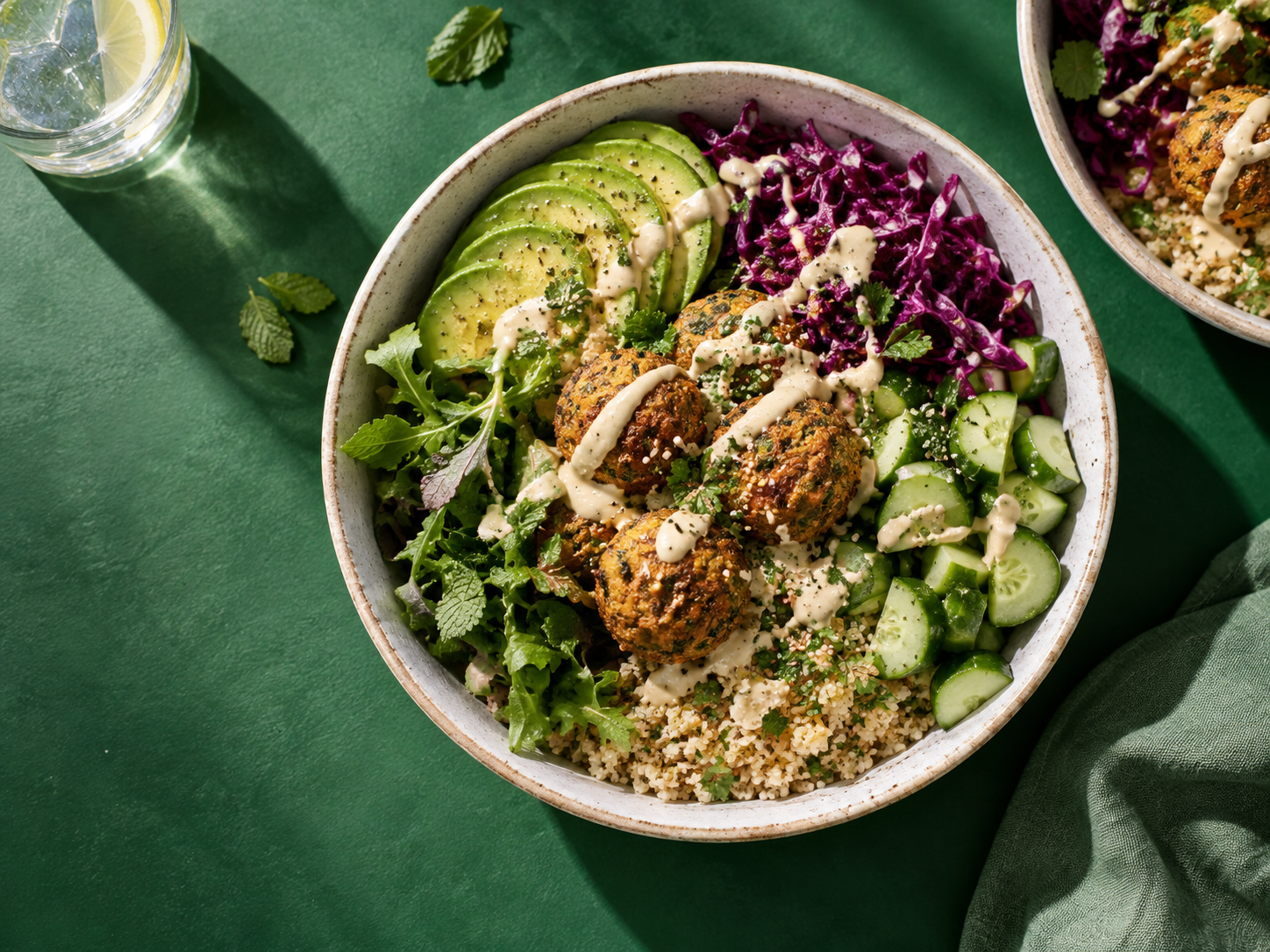
AI-generated photograph of a falafel grain bowl, used as fictional concept imagery

01

The decision before the order

A shared cart helps people assemble an order. This exploration focuses on the decision that comes before it: choosing a restaurant when everyone has different priorities.

The starting scenario is an illustrative group of four friends. One needs vegetarian options, another wants to stay under a budget, and the group wants dinner soon. The design hypothesis is that a shared set of constraints can make agreement easier than repeatedly sending restaurant links.

How might we help a group choose with confidence, while keeping every person's constraints visible?

This is a design hypothesis, not a finding from customer interviews. The concept is not affiliated with or commissioned by DoorDash.

Working prototype

Try the decision flow

Adjust the group's preferences, compare matches, and choose a plan. Try a $16 budget and 25-minute limit to explore the no-match state.

Fictional data · Local demo
Common Ground

Group dinner · 4 people

What works for the group?

Keep the non-negotiables in view.

This prototype uses local matching rules and fictional restaurants, prices, and delivery estimates. It does not call an AI service or place orders. Prices shown are illustrative totals per person.

02

Four decisions that shape the flow

Constraints before recommendations

A short form makes budget, timing, and food preferences explicit. People can see and change what determines a match.

Reasons before a confidence score

Each option explains how it fits. A precise-looking match percentage would imply evidence this concept does not have.

Suggestions, then a human choice

The system narrows the options. A person chooses the plan; it never orders, changes a budget, or relaxes a food preference automatically.

A useful no-match state

When nothing fits, the interface offers an explicit budget or timing adjustment. The food preference stays in place.

03

The AI design process

This concept was created with ChatGPT, including problem framing, interaction decisions, copy, front-end code, and the food image. The collaboration produced a working interface whose assumptions and design choices can now be examined through user feedback.

DirectionTradeoff considered
Open-ended chatExpressive, but makes the group's constraints harder to scan and verify.
One automatic pickQuick, but conceals alternatives and gives the system too much authority.
Visible filters + shortlistSelected for the prototype: fewer ambiguous inputs, concrete explanations, and a deliberate final choice.

The proposed AI role in a future product is to summarize preferences and explain eligible choices. Reliable menu, price, and availability data would remain the source of truth. This prototype demonstrates that interaction using deterministic sample data.

Tools: ChatGPT, HTML, CSS, and JavaScript. This is a concept-stage exploration; user research and product impact remain to be evaluated.

04

What this still needs to prove

A useful next study would observe small groups choosing dinner with the prototype, including a group whose constraints initially produce no match.

  • Comprehension: Can people explain why an option was recommended?
  • Control: Can they recover from no results without changing a requirement by accident?
  • Decision effort: How long does agreement take, and how often does the group reverse its choice?
  • Trust: Do people distinguish estimates from guarantees and suggestions from an order?

These are proposed evaluation questions. There are no measured user outcomes yet. Real dietary or allergy suitability would require dependable merchant information and explicit verification; the demo only shows a sample vegetarian preference.

05

Where the concept stops

The prototype ends when a restaurant plan is chosen. Collecting individual menu items, group voting, payments, and dispatch are outside this exploration. Separating that boundary keeps the design focused on agreement.

Context: DoorDash. The flow, merchants, menu descriptions, and food imagery here are independently created examples, not current DoorDash screens or offerings.

Next exploration

Agency Launchpad